
As a general safety feature, all cars or light trucks include an onboard diagnostic (OBD) system. When this system senses mechanical failure, it often illuminates the “check engine” light to notify the driver that the vehicle needs attention.
But, when this does happen, the dashboard isn’t able to tell you what caused the malfunction—just that you need to look into it.
So why is your check engine light on? We’ll walk you through what that looks like, as well as the five most common causes that explain a check engine light meaning for any vehicle.
What Does the Check Engine Light Look Like?
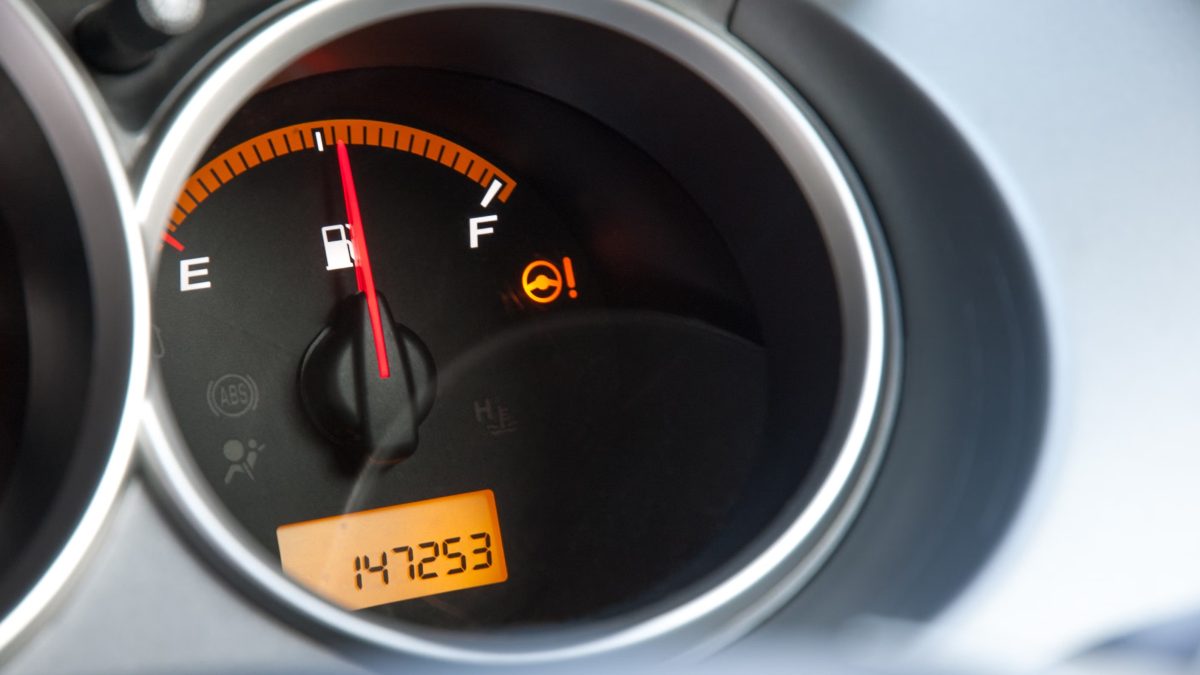
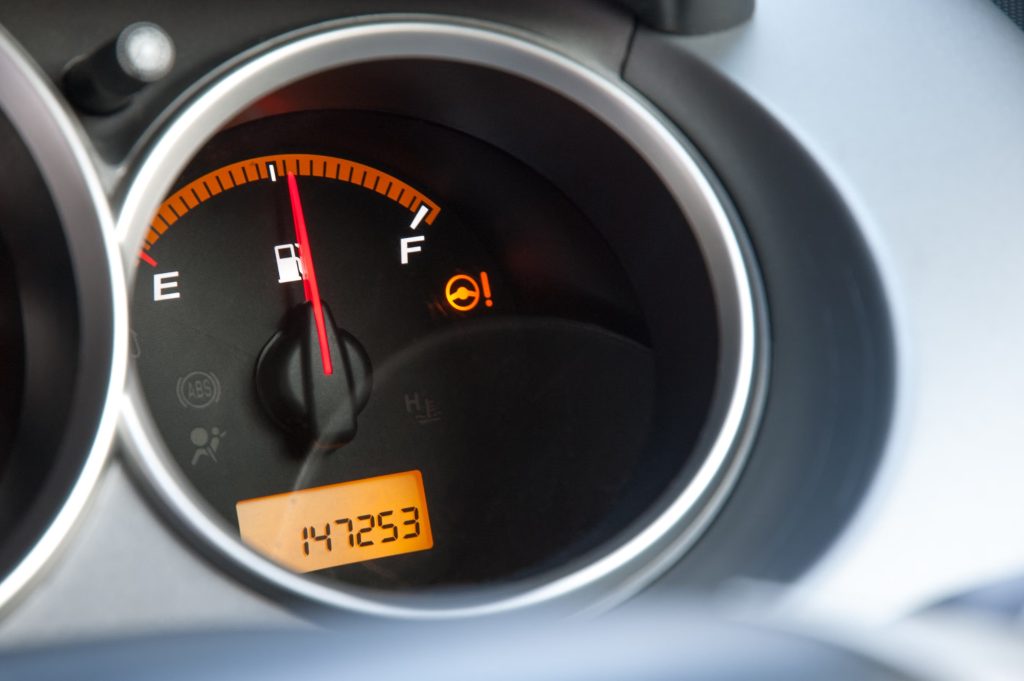
The check engine light will be on your dashboard (or “instrument cluster”) behind your steering wheel when you sit in the driver’s seat of your car. It may look like a small engine or may say “CHECK ENGINE” or “SERVICE ENGINE SOON.” You may notice a yellow check engine light, red engine light, or other colors as well. This same light could be solid or flashing, depending on the severity of your engine issue.
Can Low Oil Cause a Check Engine Light?
Yes, low oil can trigger a warning, though it’s not always the first sign. Since the OBD system can’t measure oil levels directly, the check engine light meaning here usually comes from related issues such as low oil pressure or damage to engine components caused by a lack of lubrication.
If your check engine light is on and you suspect low oil, check the dipstick right away. Driving with too little oil can lead to serious damage that even an extended warranty may not fully cover if neglect is involved.
What to Do When the Check Engine Light Comes On
Sometimes you might not even need to look at the check engine light to know something is wrong with your car. You could be able to tell something is up based on some pretty clear conditions, such as your engine not turning on. However, when problems are not as obvious, deciphering your check engine light’s meaning will be the first indicator that you’ve got a problem.
Before we talk about some possible check engine light causes, there are a few things to consider in order to determine your next steps.
Is the Check Engine Light Flashing or Solid?
When you notice your check engine light is on, take note of whether or not the light is solidly on or if it is flashing on and off. If you see a solid check engine light, then that’s your OBD system telling you that there’s an engine issue.
However, if you see your check engine light flashing, you should calmly pull over at the next safest location to see what’s going on.
If you’re in that scenario, it will be helpful to call any roadside assistance you have on hand. If you have a plan through CarShield, for example, your coverage automatically includes 24/7 roadside assistance and towing, as well as rental car options.
So, until your check engine light turns off or resets, CarShield administrators will be there for you to help you through the process of fixing your covered repair.
How Does the Drive Feel?
Once you see that check engine light on, take a quick assessment of how your car drove when it turned on. Is the car driving normally, or did your speed suddenly drop? Or did you start hearing a concerning rumble from the engine?
Take note of any significant changes to your driving experience. Then, let your mechanic know about any of these observations.
As a side note, your check engine light may illuminate when your car simultaneously activates a “limp mode.” When that happens, your car will cap your speed and turn off power for any unnecessary accessories so that your car at least has a chance to hobble home in its “injured” state.
Some cars are built with this mode included to minimize further vehicle damage. That also counts as a safety feature! It won’t be helpful if your car experiences mechanical issues while you’re cruising at 70 mph with no clue that your car is starting to fail.
What Does the Check Engine Light Mean?
Unfortunately, as we mentioned before, the check engine light can only tell you that there is a problem—it cannot tell you what that problem is. There are, however, a few common causes for the check engine light to be on. Below, we’ll talk about the reason a check engine light comes on.