Few car repairs hit harder than a failed engine. If yours is knocking, leaking, or dead, you’re probably after real numbers before a shop calls with an estimate.
This guide covers what drives engine replacement costs and what it looks like in practice. We’ll also discuss where the cost to rebuild engine components fit in and whether the repair is worth making.
What Determines the Price of an Engine Replacement
Every estimate of a motor replacement cost looks a little different, but a few factors explain most of the swing.
The Average Price Range
Engine replacement cost typically runs between $2,500 and $10,000. Where you land in that range depends on your vehicle, the type of replacement engine you choose, and local labor rates.
According to Kelly Blue Book, average car repair costs have climbed steadily nationwide as parts and shop labor get more expensive. A remanufactured engine tends to sit on the lower end of that engine repair cost range, while a brand-new factory unit combined with specialty labor pushes it much higher.
For comparison, AAA notes that a full transmission replacement runs $2,500 to $6,000, which is a similar-sized bill for a different major component.
What Actually Drives the Price Up or Down
- Engine source: used, remanufactured, or new all carry different price tags
- Labor hours: a swap can take hours or days
- Vehicle type: turbocharged and luxury engines cost more
- Shop network: rates vary by region and shop
If you’re weighing the cost to rebuild engine components against a full swap, ask your shop for an itemized quote. If you’re not sure which shop to choose, you can access resources like the Shield Repair Network for options in your area. A new engine cost climbs fastest on turbocharged or luxury vehicles, so get that number in writing early.
What Is an Engine Block?
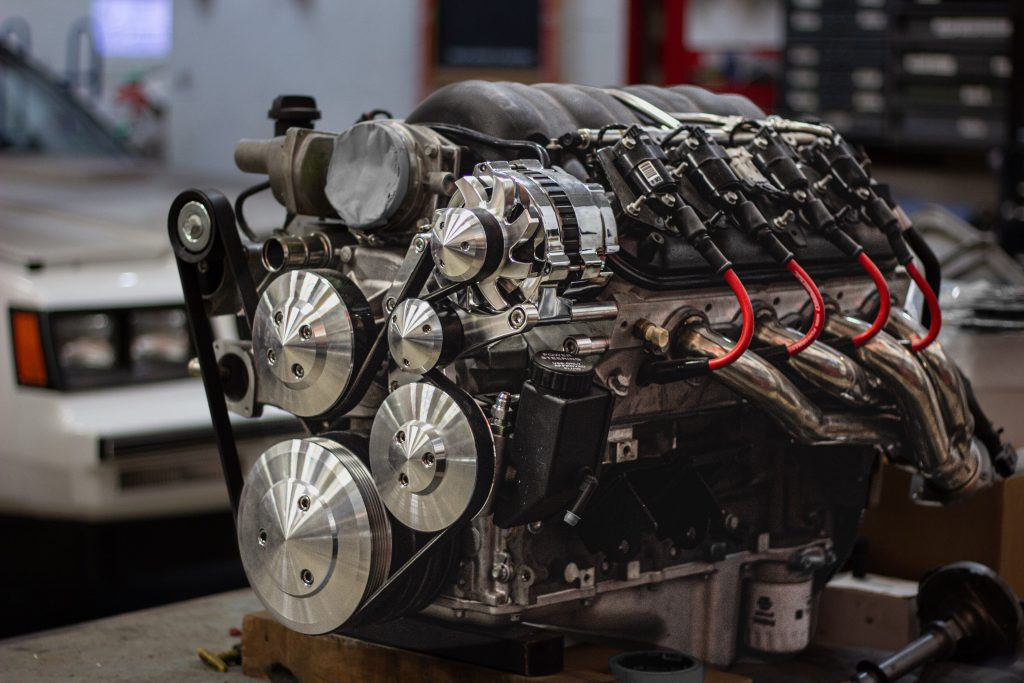
The engine block is the solid metal housing that holds your cylinders, pistons, and crankshaft. Think of it as the skeleton the rest of the engine gets built around.
It’s one of the most important pieces among basic car parts, since nearly every other engine component bolts directly to it. A cracked or warped block is one of the costliest problems a mechanic can find:
- Warping is often caused by chronic overheating
- Cracks can develop from age, a frozen coolant line, or a severe impact
Because the block houses so many critical components, damage here usually drives engine repair cost sharply upward. It typically means the whole engine needs replacing rather than a smaller, targeted fix.
Is It Worth Replacing the Engine in a Car?
The answer depends on the math involving a variety of variables such as ongoing car payments. Repair usually makes sense when:
- The engine repair cost comes in well under half of the car’s current value
- The car has a strong maintenance history
- You plan to keep driving it for several more years
Buying a new vehicle may make more sense when:
- The cost to rebuild engine components approaches or exceeds the car’s value
- The engine failure is the latest in a long list of unresolved issues
- The engine rebuild cost would stretch your budget thin
Deciding between repair versus buying a new car is where a vehicle protection plan earns its keep. Knowing your plan’s coverage before a major failure hits can turn a five-figure decision into a predictable monthly cost.
What Are Signs My Engine Needs Replacing?
To avoid a full engine replacement cost, watch for these warning signs:
- Persistent knocking or grinding noises that get louder as you accelerate
- Thick white or blue exhaust smoke, which often points to burning coolant or oil
- Frequent overheating, even after a coolant top-off or fresh flush
- Visible oil leaks, including drips near the rear main seal replacement point at the back of the engine
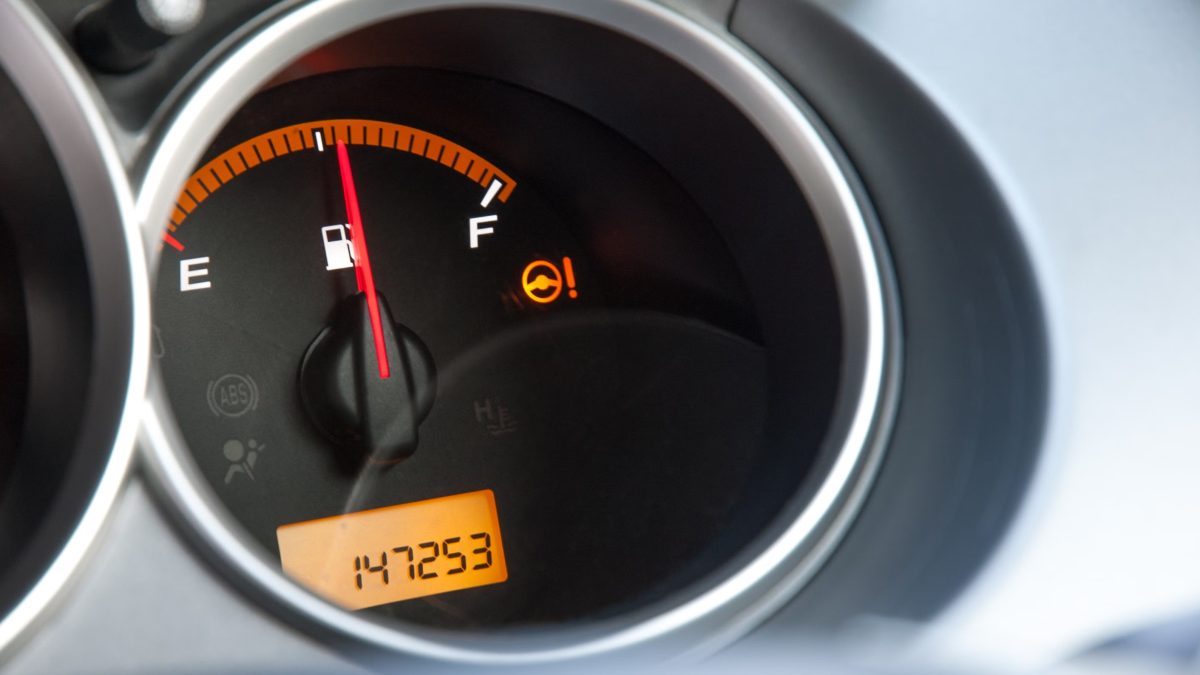
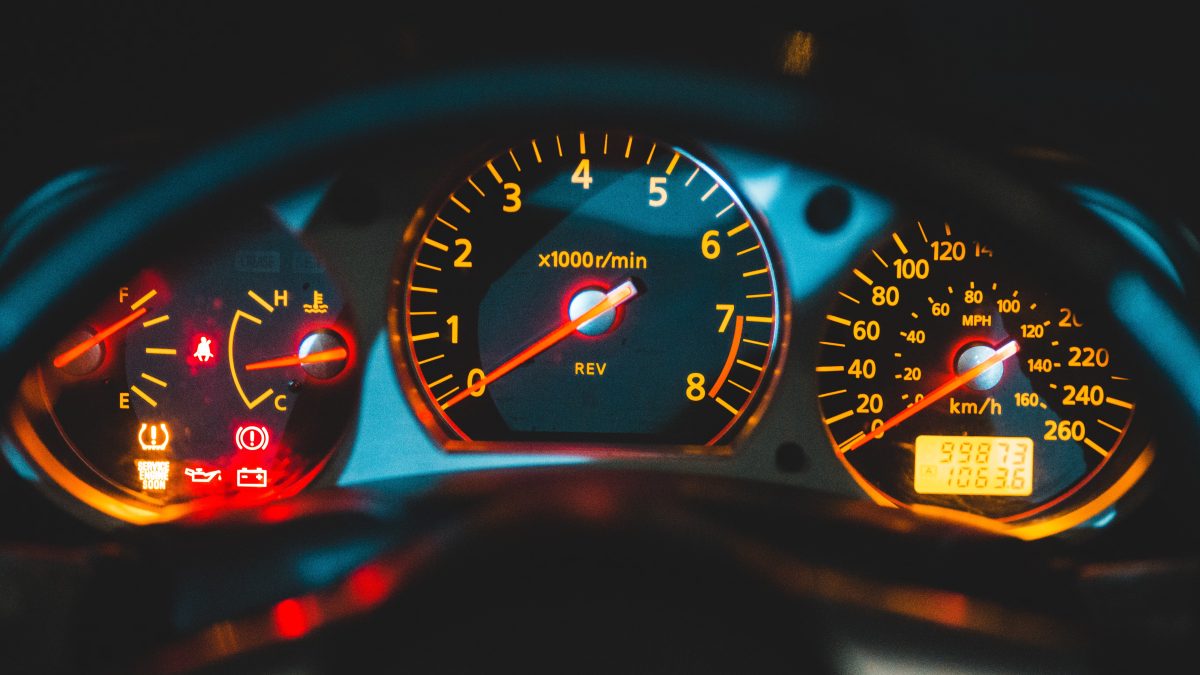
- A check engine light paired with rough idling, stalling, or a noticeable loss of power
Catching any of these early often keeps you looking at a routine engine repair cost instead of a full teardown. Paying attention to any signs your car could be breaking down can mean the difference between a manageable repair and a full replacement down the road.
The Bottom Line
Engine replacement cost is one of the biggest single repair bills a driver will ever face. Whether you’re looking at a full replacement or exploring the cost to rebuild an engine instead, knowing the numbers ahead of time helps you make a clear-headed decision.
Reviewing your extended warranty coverage now, before anything goes wrong, is one of the easiest ways to make sure a major engine failure doesn’t turn into a financial emergency.
That’s the exact gap a CarShield vehicle protection plan is built to close. Instead of absorbing a surprise five-figure repair, you pay one predictable monthly cost and can visit any ASE-certified shop in the network.
Turn a major engine failure into a manageable expense. Explore your options with CarShield today.